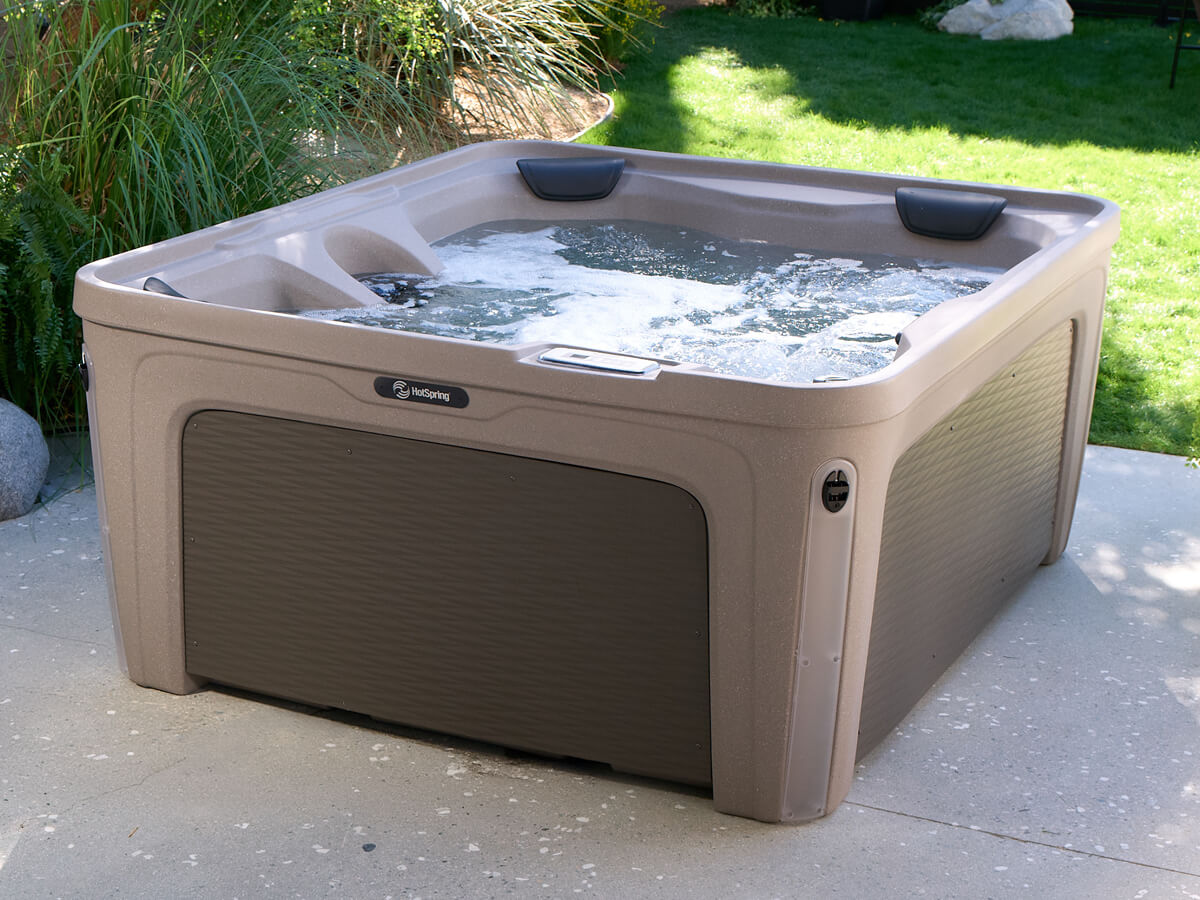
If you're ready to enjoy the benefits of a hot tub at home but would like the setup process to be as simple and straightforward as possible, a plug-and-play model can sound like a dream come true.
These portable, entry-level spas can be a good fit for people who want a more flexible, lower-commitment approach to spa ownership, such as:
- Renters who can't (or don't want to) make costly electrical upgrades to a home they don't own
- Vacation or seasonal homeowners looking for warm-weather enjoyment without a major installation project
- First-time spa buyers who want to "test the waters" before investing in a more permanent, high-powered model
- Homeowners with limited space or access who need a portable option that can work on an existing patio or deck
Plug-and-play is just one category in a much wider range of hot tub options, from simple portable hot tubs to more premium, permanent solutions. Understanding what each type offers can help buyers make an educated choice.
If you're considering a plug-and-play hot tub, this guide explains how they work and what ownership typically involves, from setup and energy use to heating speed, comfort, and long-term performance considerations.
What is a Plug-and-Play Hot Tub?
Plug-and-play hot tubs are a popular entry-level category within the broader spa market. They offer a simpler electrical entry point, but they also come with trade-offs that should be understood before committing.
When purchasing a hot tub, the cost and setup involve more than choosing a model and having it delivered. Electrical requirements also matter, and many first-time buyers are surprised by how much they can affect the overall project.
Also referred to as 110 V hot tubs, plug-and-play models run on a standard 110-volt/115-volt household outlet. Because they don't require a dedicated 240 V GFCI breaker or hardwired electrical installation, they can be a more accessible option for homeowners who want a simpler starting point.
Plug-and-play hot tubs are also known for flexible installation. They're portable, require minimal backyard work, and can be placed on any flat, stable surface such as a patio, deck, or pavers. Some hardwired hot tubs, on the other hand, require additional site preparation, such as running electrical conduit or trenching to install a dedicated 240V connection, a process we'll cover in more detail later in this guide.
The electrical setup is the main feature that distinguishes plug-and-play spas from hardwired models. Hardwired hot tubs require professional installation and a dedicated circuit, and the added power capacity supports faster heating and stronger jet operation.
It's important to note that "plug-and-play" refers specifically to how the hot tub is powered, not necessarily to the overall ownership experience. While these models can simplify the initial setup, owners still need to consider long-term factors like water care, heating time, operating costs, and durability.
How Plug-and-Play Hot Tubs Work
Plug-and-play hot tubs run on standard 110V household power, which affects how they operate during everyday use. Because they draw electricity from a regular outlet, the available power is distributed across key components, including the heater, jet pump, and filtration system.
In many models, the spa manages power by switching between functions. For example, when the jets are turned on, the heater may temporarily pause or reduce output. Once the jets are turned off, the spa resumes heating to maintain the set temperature. This balance allows the spa to operate effectively even with limited power input.
In warmer weather, many users find that the water stays comfortable. In cooler climates or during winter use, the spa may gradually lose heat, particularly during extended soak sessions with jet use. This can be addressed by allowing extra time for reheating or planning slightly shorter sessions when temperatures are low.
Plug-and-play hot tubs also use lower wattage heaters, which means that heating occurs at a more gradual pace. After a fresh fill or when the cover has been off for a while, allowing extra time for the water to reach the desired temperature will ensure that the spa will be warm and ready for the next soak.
Filtration cycles also contribute to overall energy demand. Most plug-and-play models run regular circulation and filtration periods to keep water clean, which uses additional power. To stay within 110V limits, the spa may prioritize certain functions at different times.
Jet pressure and massage intensity can also vary by model. Plug-and-play hot tubs can provide a relaxing experience, but buyers who expect strong, continuous jet operation should review performance details carefully.
Understanding how plug-and-play spas balance heating, jets, and circulation can help buyers set realistic expectations, especially if they plan to soak frequently, use jets for long periods, or live in a colder climate where heat retention matters more.
Plug-and-Play Hot Tub Setup and Electrical Requirements
One of the main reasons homeowners consider plug-and-play hot tubs is that the initial electrical setup is simpler than with traditional spa installations. Because these models plug into standard household power, owners can avoid installing a new high-voltage circuit or scheduling extensive electrical work.
However, "plug-and-play" does not mean "no planning required". The term refers specifically to the electrical connection, and owners still need to make sure the outlet and placement area are properly prepared for safe operation.
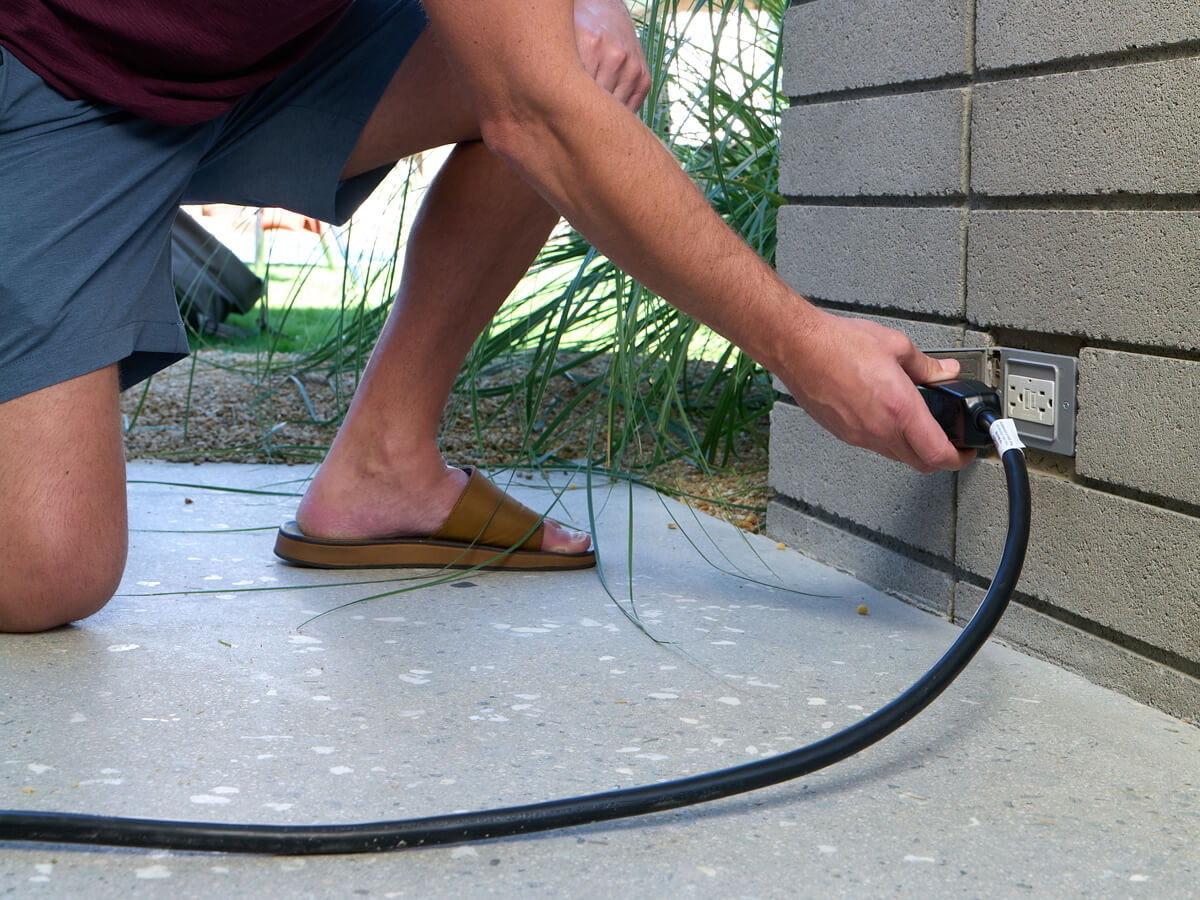
Plug-and-play hot tubs must be connected to a properly grounded, dedicated 110V outlet. Most models come with a long power cord and a built-in Ground Fault Circuit Interrupter (GFCI), designed to plug into a standard outdoor, waterproofed outlet. If a spa does not include built-in GFCI protection, the outlet itself should be GFCI-protected. Requirements can vary by model and local code, so it's important to confirm what is needed before installation.
Placement is another key part of the setup. While these hot tubs are lighter and can often be placed on an existing patio or deck, the surface still needs to be flat, stable, and able to support the filled weight of the spa plus the people using it. It's also worth considering drainage, access for maintenance, and proximity to the power source.
Outlet distance matters as well. The spa should be close enough to reach the outlet using its built-in cord. Extension cords should never be used with plug-and-play hot tubs. These spas must be plugged directly into a wall outlet to reduce the risk of overheating, voltage drop, or electrical problems.
Common setup mistakes include placing the spa too far from the outlet, using a shared circuit that becomes overloaded, or overlooking GFCI protection. Paying attention to these details upfront can lead to a smoother installation and more reliable long-term operation.
Cost, Energy Efficiency, and Long-Term Value
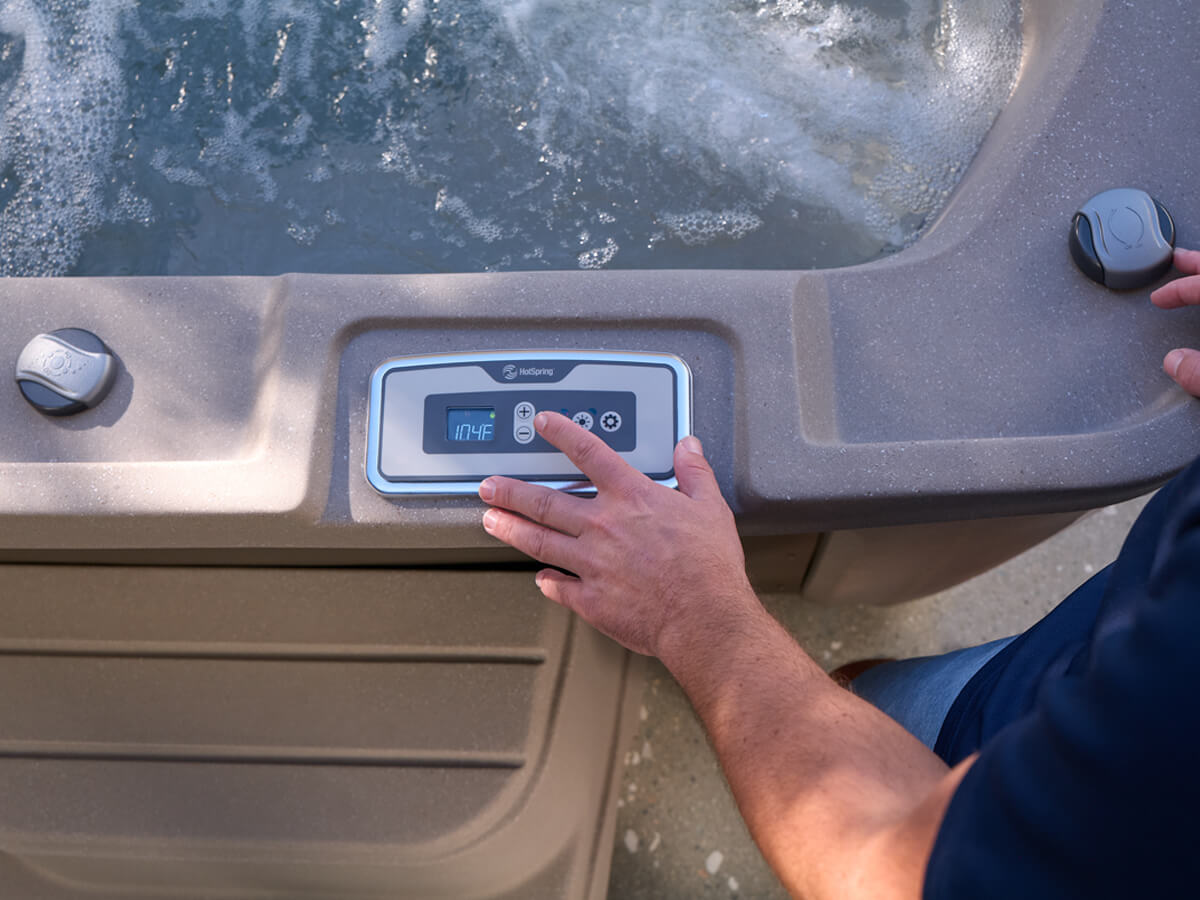
The cost of a plug-and-play hot tub will vary depending on the brand and model you choose. From entry-level inflatable spas to more durable and comfortable rotomolded hot tubs, plug-and-play options are often a more accessible starting point for many homeowners.
Quality and support can also vary across this category. To feel confident in your purchase, it's important to buy from a reliable source and understand what warranty or service coverage is included.
Because plug-and-play models don't usually require major electrical upgrades, the initial investment is often lower than with hardwired or permanently installed spas. However, value over time depends on more than the purchase price alone. Operating costs, comfort, and durability are shaped by factors such as insulation quality, heater efficiency, and how well the spa holds heat between uses.
In many cases, insulation and construction matter more than voltage. A well-insulated plug-and-play hot tub may retain warmth effectively and operate efficiently, while a less insulated model may have difficulty maintaining temperature, especially in colder weather or with frequent use. For buyers planning regular soaks, build quality and energy retention can make a meaningful difference in the overall ownership experience.
Plug-and-play models also offer flexibility in placement, since many can be installed on patios, decks, or other flat surfaces without major backyard renovations. That portability can be valuable for renters, seasonal homeowners, or anyone who wants more options for where the spa can go.
Ultimately, the best value comes from choosing a hot tub that fits both your short-term setup needs and your long-term expectations around comfort, performance, and support. Browse all available models on Hot Spring Spas shop page and find the right spa for you.
Questions to Ask Before Buying a Plug-and-Play Hot Tub
A plug-and-play hot tub may seem like an easy choice at first glance, but it's worth thinking beyond "Will it plug in?" Asking a few practical questions upfront will help you choose a model you'll feel good about for years to come.
Consider the following:
- How well is the hot tub insulated, and how will it perform in my climate?
- What should I expect for heating time and temperature stability during longer soaks?
- Does the spa include GFCI protection, and is my outlet properly located and code-compliant?
- What warranty coverage is included, and what does it cover?
- Will I have easy access to service and support if repairs are needed?
- If my needs change, is there a trade-in option?
For buyers who want long-term guidance or warranty-backed support, working with an authorized dealer can be helpful.
Final Thoughts
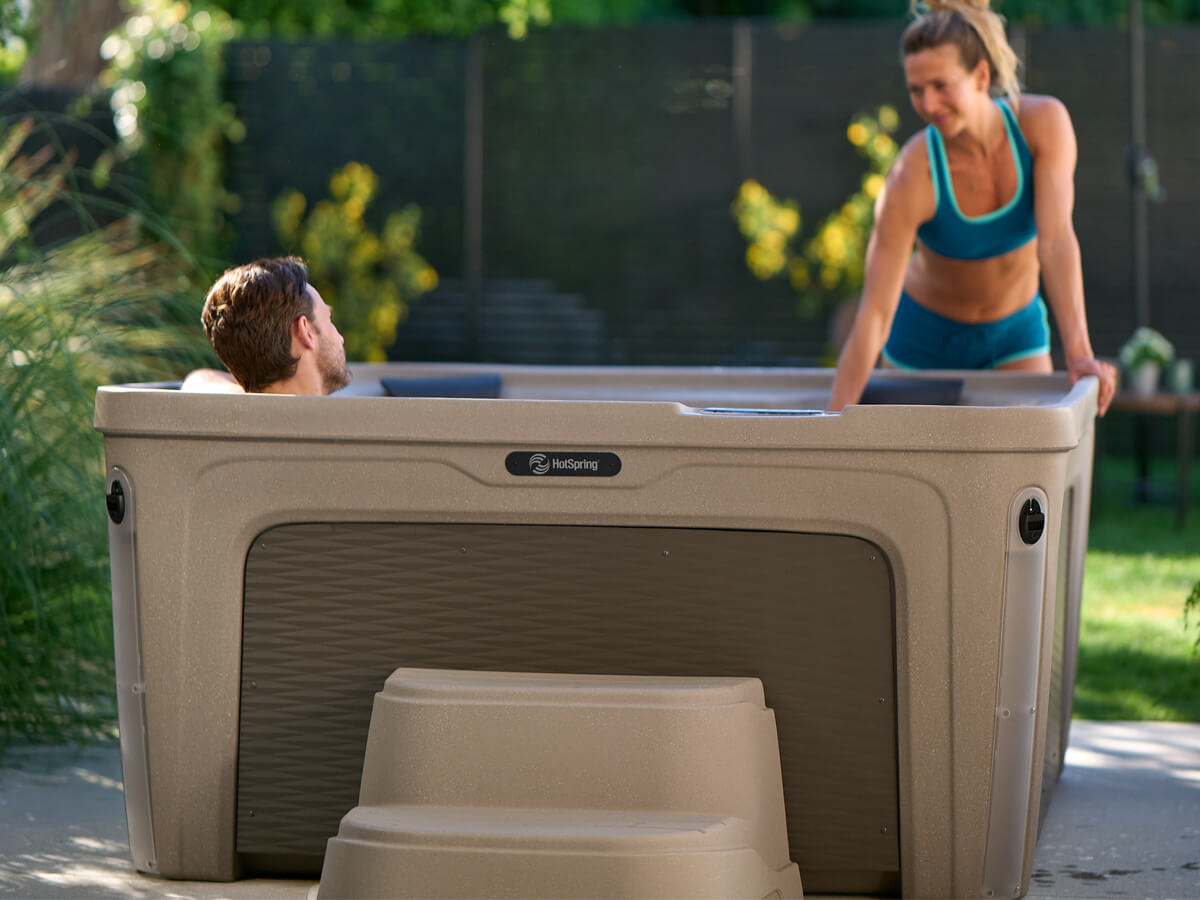
Plug-and-play hot tubs can be an easy and practical entry point into spa ownership, especially for first-time buyers, renters, vacation homeowners, or anyone who values a simpler electrical setup and flexible placement.
By understanding how these models work, what to expect from real-world performance, and what matters most for long-term comfort and efficiency, shoppers can make a more informed decision and choose the hot tub that best fits their lifestyle.