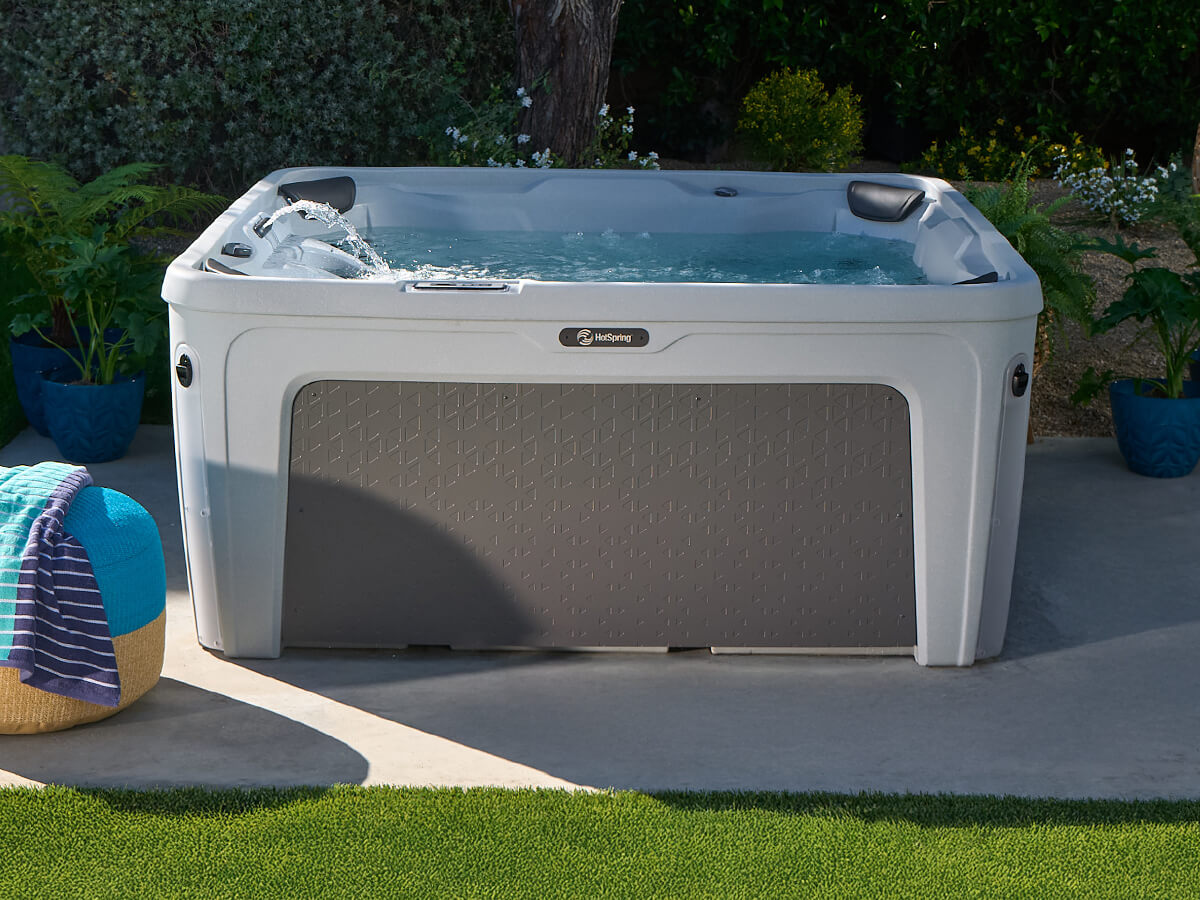
If a hot tub is on your wish list, it's likely you're familiar with the many benefits of spa ownership. You might imagine yourself enjoying warm soaks under a starry sky, reconnecting with your partner after a long day, or even getting the kids to take a break from their screens and make eye contact. However, you may be weighing the cost, preparation, and commitment of owning a traditional hot tub.
That's where portable hot tubs come in. These lighter-weight models offer a simpler way to experience hot tub ownership, especially if you're renting, short on space, or want to try an entry-level option before committing to something more permanent.
In this guide, we'll focus on what long-term hot tub ownership looks like and how to determine if a portable hot tub is the right fit for your home and lifestyle.
Types of Portable Hot Tubs
A simple internet search for "what is a portable hot tub?" will provide several brands, styles, and price points. Virtually all of them have a few things in common: they're non-permanent, easy to set up, and designed for convenience.
While certain portable styles don't require concrete pads, it's important to check the owner's manual or pre-delivery instructions to understand the foundation requirements. Heavier models usually require a reinforced concrete pad of at least four inches to withstand the weight of the filled tub and the people who use it. Lighter styles can be placed on any flat, sturdy surface, such as a patio, deck, or level yard. Both styles can be emptied and relocated easily.
There's a range of portable hot tub spa styles to choose from. Most fit into one of these categories: inflatable, soft-sided, or rotomolded models. Each offers a different level of portability, durability, comfort, and performance.
What is a Plug-and-Play Hot Tub?
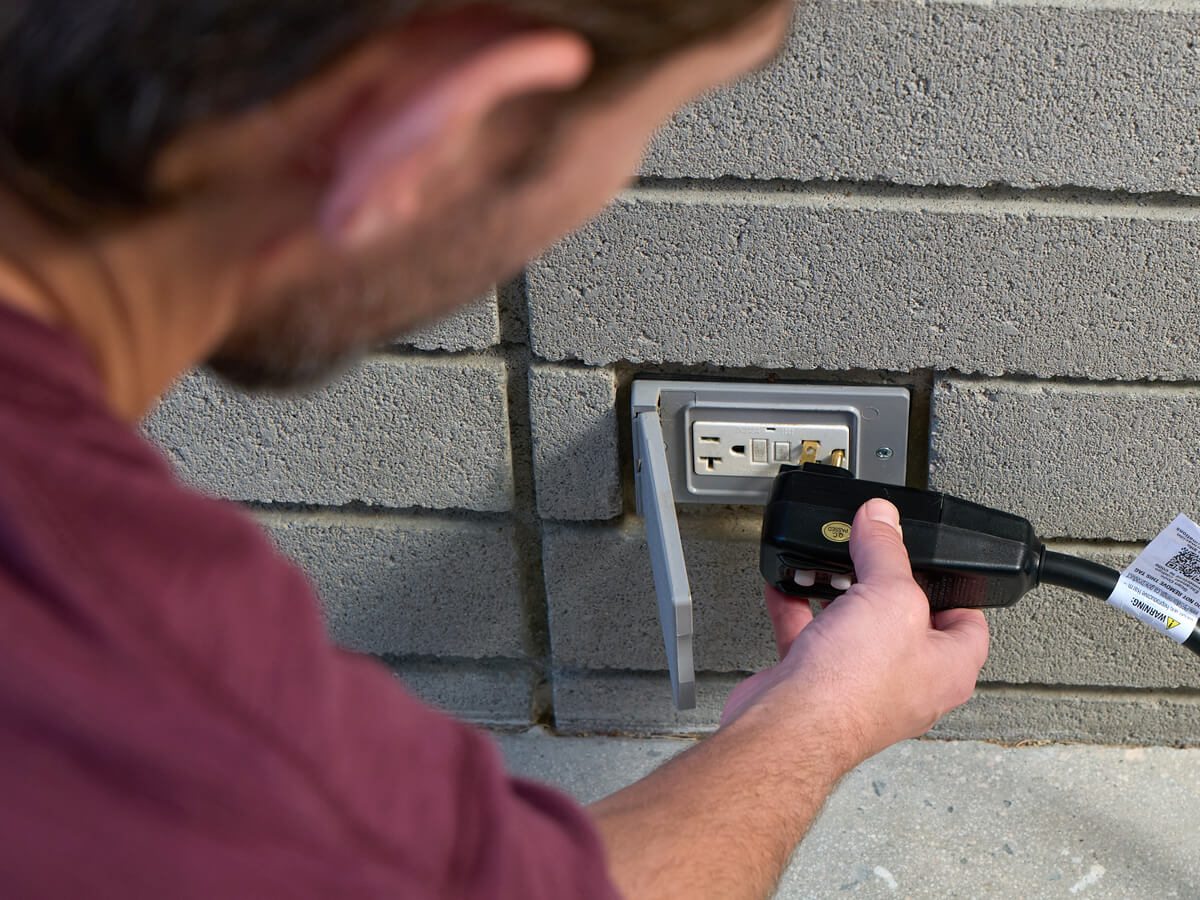
Nearly all portable hot tubs are plug-and-play. This feature cuts down on preparation and cost, since there's no need for a special electrical connection. They're powered by a standard 110-volt/115-volt household outlet, and most come with built-in pumps, heaters, and filtration systems.
With plug-and-play hot tubs, setup is easy; simply place your spa where you want it, fill it with water, and plug it in. In 6–8 hours, it will be warm and ready to use.
Inflatable Hot Tubs
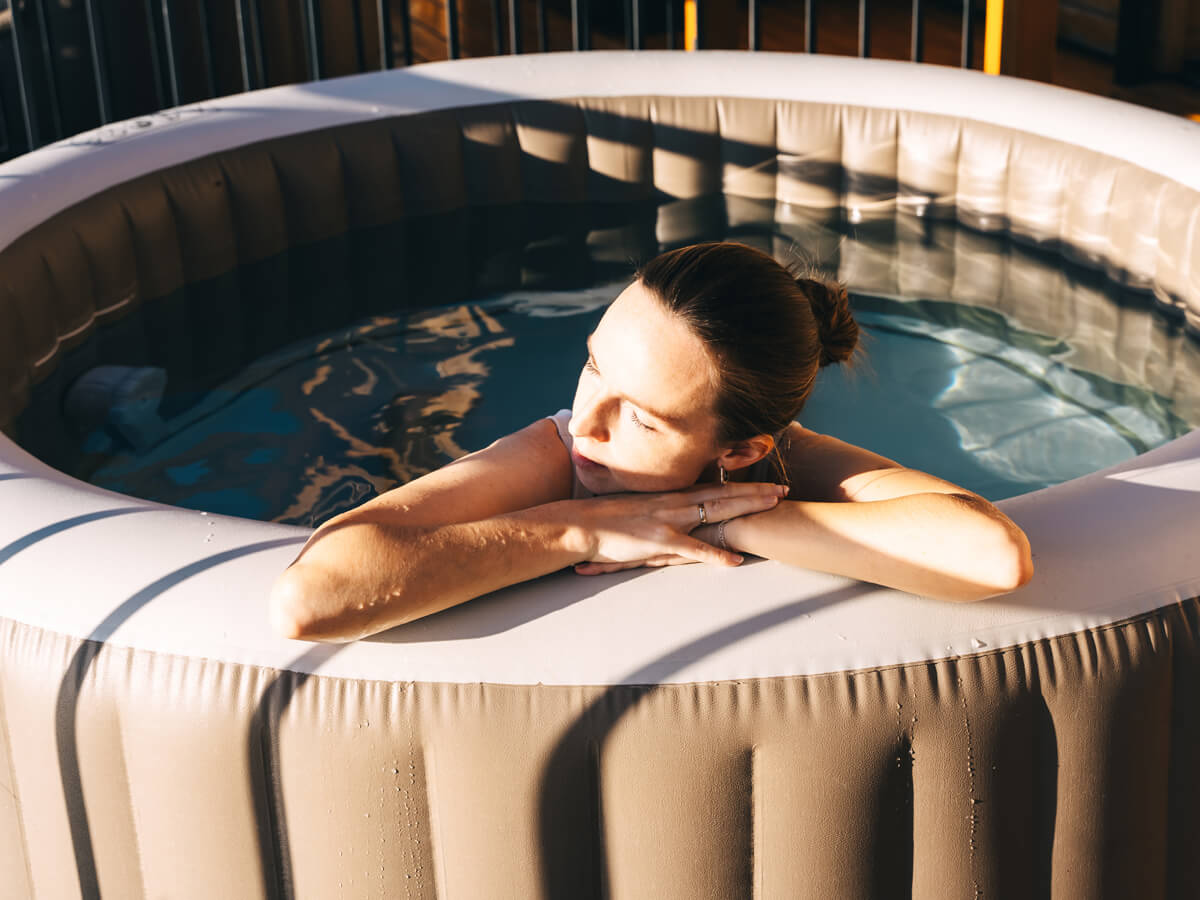
Since inflatable hot tubs appeared on the market in the mid-2000s, they've been popular with people looking for a simple, low-commitment way to soak. They're a practical option for renters, apartment dwellers, campers, and first-time spa buyers.
Made from flexible PVC or reinforced vinyl, inflatable tubs use air-filled chambers for structure, making them lightweight, ultra-portable, and easy to set up almost anywhere. Because they can be drained, deflated, and rolled up for storage, they work well in spaces where flexibility matters, like vacation homes, weekend retreats, or temporary backyard setups.
While the term "inflatable hot tub" might make you think of a kiddie pool, today's models are surprisingly sophisticated. Many include a built-in inflation pump, insulated cover, ground mat, and control unit to heat and circulate the water.
Because they run on standard household power and have less insulation, inflatable hot tubs can take longer to heat up than traditional models, so a little patience is required. Seating is usually minimal, though some manufacturers offer booster cushions and inflatable headrests.
For massage, most rely on an air blower (housed in the pump unit) to produce bubbles for a pulsating effect. The gentle bubbles provide relaxation and warmth, rather than the true therapeutic benefits of a traditional hot tub. Some higher-end inflatable models include hydro jets, which provide more targeted water pressure.
Soft-Sided Hot Tubs
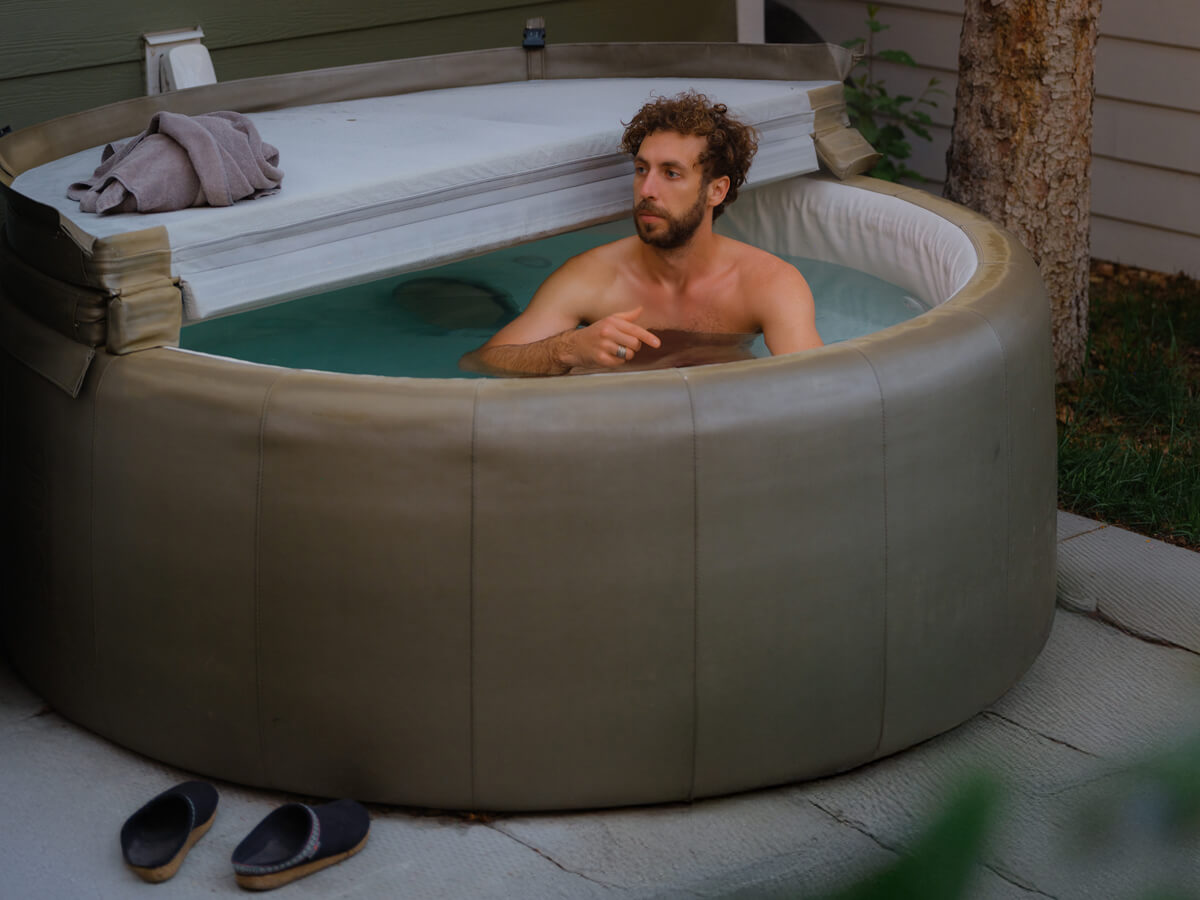
Soft-sided hot tubs fall between inflatable models and more permanent spas. They're designed for people who want something more supportive and durable than an inflatable tub, but still require a light, portable option.
Instead of air chambers, soft-sided tubs use foam panels or a semi-rigid frame for added structure. They offer a sturdier feel, more comfortable seating, and better insulation, making them a good choice for homeowners who plan to soak more regularly but still want flexible placement and a low-hassle setup.
They include essentials like a built-in heater, filtration system, insulated cover, and easy-to-use controls, and they generally retain heat more efficiently than inflatable tubs for longer, more comfortable soaks.
Inside, seating is still basic. Some models have a cushioned foam floor, while others feature a slightly raised bench around the edges. Massage is a step up, with stronger, more targeted jet pressure than the bubble systems found in most inflatables.
Rotomolded Hot Tubs
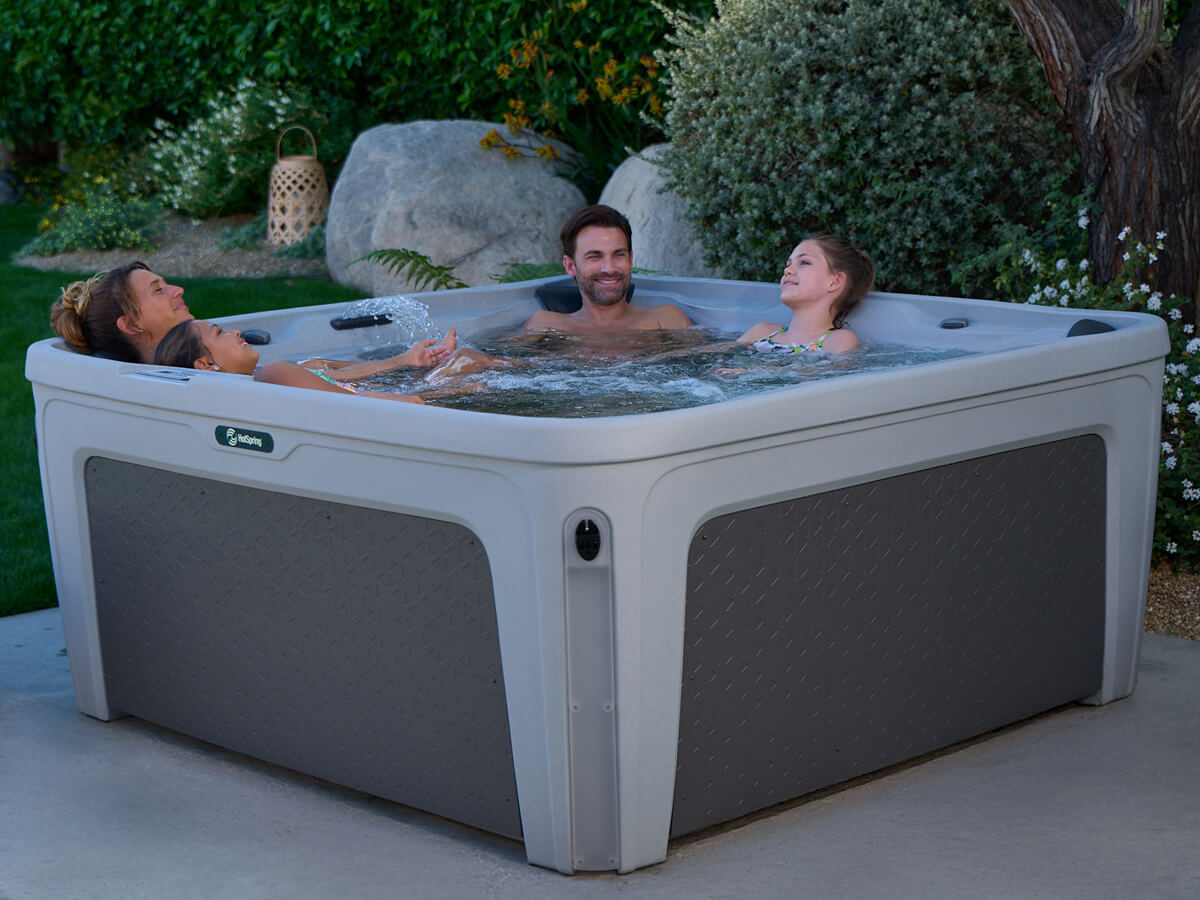
If you want a portable spa that feels more permanent than an inflatable or soft-sided model, consider a rotomolded tub. Lighter and more affordable than traditional hot tubs, they check a lot of boxes for first-time owners, offering more comfortable & varied seating styles, better durability, and stronger, more targeted massage. Rotomolded spas also tend to come with more robust warranties that offer peace of mind for longer term ownership.
Rotomolded hot tubs are made from a single piece of molded polyethylene polymer (a tough, high-density plastic). The shell is formed by spinning polyethylene resin inside a heated mold, creating a lightweight, seamless structure that's strong, dent-resistant, and built to withstand the elements.
Most rotomolded models are still plug-and-play, but they offer better insulation, more consistent heating, and improved water care systems compared to other portable tubs.
Each type of portable hot tub has its own benefits and limitations. The right choice depends less on features and more on how you plan to use your spa.
Pros of a Portable Hot Tub
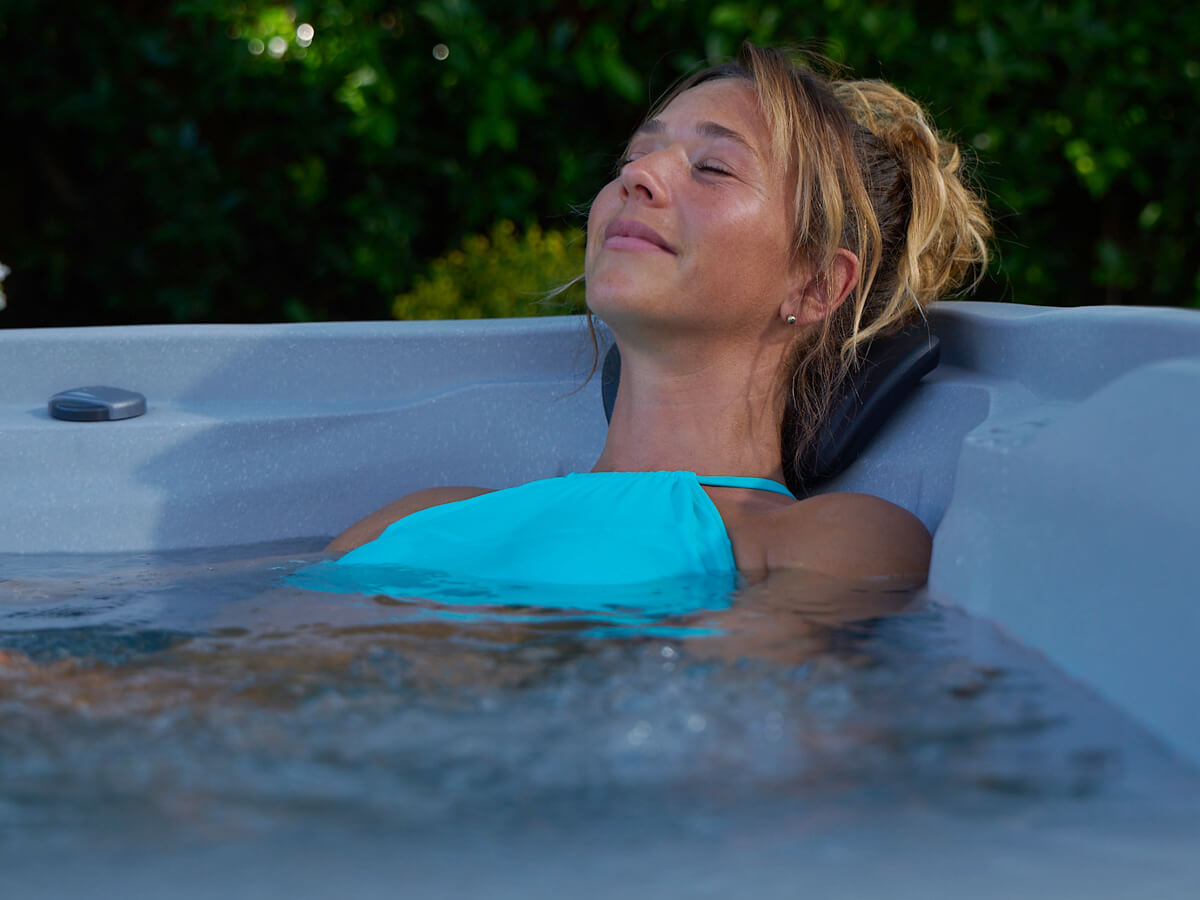
Portable hot tubs are popular because they make hot tub ownership feel a lot more doable. If you love the idea of soaking at home but don't want to take on a major project or investment, portable models can be an easier way to get started.
They're quicker to set up, easier to fit into smaller spaces, and don't require the same level of site prep as a traditional spa. Most models can plug into a standard household outlet and don't require a dedicated 240V circuit, eliminating an extra step in the installation process. Certain rotomolded models allow conversion to 220V/230V for a more powerful operation, allowing for a more premium soaking experience.
Portable tubs are especially appealing if you're a first-time buyer or not yet sure what you want in a more permanent spa. They make the comfort, connection, and wellness benefits of hot tubbing more accessible.
If you'd like to compare a range of hot tubs, from essential to luxury models, Hot Spring Spas has a variety of Collections to explore.
If you're a first-time hot tubber, working with a Hot Spring Spas dealer can allow you to ease into spa ownership with a portable hot tub. If you fall in love with hot tubbing after a few years, the dealer will often work with you to trade up to a larger, more powerful model.
Cons and Limitations to Consider
Portable hot tubs can feel like a great starting point, but they're not right for everyone. To avoid buyers' remorse, it's important to know what to expect.
Because many portable tubs run on a standard outlet and have less insulation than traditional models, they often warm up more slowly than hard-wired spas. In addition, most portable models don't retain heat as efficiently as traditional spas. If you live somewhere with cold winters or want to soak year-round, you may find your portable hot tub isn't always ready when you want it to be.
In many portable hot tubs, the use of a standard 110V/115V outlet also means the heat and jets may not function at full power when used at the same time. This results in spa users having to choose between heating the water and using the jets on high. As previously mentioned, converting your spa to 220V/230V (if applicable) can allow the heater and high-mode jets to be used simultaneously.
Massage is another area where portable tubs can feel more basic. Inflatable models tend to rely on bubbles rather than strong, targeted jets, and even sturdier portable options usually won't match the hydrotherapy experience of a premium spa.
It's also worth thinking about where you buy your hot tub. The experience can look very different depending on the type of retailer.
An authorized hot tub dealer specializes in spas. Their team understands features, insulation, electrical requirements, and water care systems. They can help you compare models, explain performance differences, and guide you toward the hot tub that best fits your needs.
Big-box retailers, on the other hand, carry a diverse range of products and may not offer the same level of hot tub expertise. While they can provide access to certain models, personalized guidance during the selection process will be limited.
The difference can become even more noticeable after installation. Authorized dealers typically provide ongoing support, including water care advice, maintenance guidance, replacement parts, and service coordination. With a big-box purchase, owners may need to handle more of these issues themselves.
For many buyers, having expert support both before and after purchase helps them choose with confidence and have a smoother, more satisfying ownership experience.
You'll also find fewer high-end features like advanced water care systems or smart monitoring that make ownership easier over time. Those upgrades can make a big difference in your long-term enjoyment of your spa.
Portable tubs are fun, cost-effective, flexible, and a practical solution for many people. But before you buy, keep in mind that long-term satisfaction depends on how often you'll use it, your climate, and whether you'll eventually want something more powerful, efficient, and designed to be part of your everyday wellness routine.
Portable vs. Hard-Wired Hot Tubs
Portable and hard-wired hot tubs differ in their electrical setup, construction, comfort, and available features.
Portable hot tubs typically operate on standard 110V/115V household power. Because they use standard household electricity, their performance is designed to operate within that capacity.
Comfort and features can vary significantly within the portable category. Inflatable models usually have floor seating and air-based bubble massage, while rotomolded portable spas have raised, dedicated seating and jetted hydrotherapy. The level of insulation, jet strength, and comfort will depend on the type and model of portable spa.
Hard-wired hot tubs operate on a dedicated 230V/240V connection. The increased power supports faster heating, stronger jet output, and the ability to run multiple systems at once. These models often include ergonomic seating, more advanced jet configurations, higher-end insulation systems, and more sophisticated water care technology.
Installation requirements also differ. Portable models can typically be placed on a stable, level surface with minimal electrical preparation. Hard-wired spas require professional installation and a dedicated circuit, which may involve additional planning.
Ultimately, the biggest difference between a portable and a hard-wired hot tub isn't how they're powered. What matters most is the kind of ownership experience they provide.
Who a Portable Hot Tub Is Best For
A portable hot tub is designed for people who want to add a little more relaxation and fun to everyday life, with less upfront preparation. You might plan on setting one up for backyard movie nights, creating the perfect "glamping" vibe at a rental cabin or vacation home, or taking your usual evening soak from the bathtub to a whole new level by moving it outdoors.
Portable tubs appeal to people who want a faster path to soaking. They're more of a "let's do this" impulse purchase than a months-long backyard project.
If your goal is to make wellness part of every day, it may be worth looking beyond a temporary solution. Research shows that warm-water immersion and hydrotherapy can help ease muscle pain and stiffness, support recovery, and contribute to overall relaxation and wellness.
Many homeowners are creating backyard wellness retreats, pairing a premium hot tub with features like a sauna or cold plunge for year-round relaxation and recovery.
Ultimately, the choice will come down to what matters most: your overall experience or cost and convenience. There's no right answer. It's about what works for you.
Portable tubs are worth considering if you're testing spa ownership for the first time or want something flexible you can enjoy now and reassess later.
What to Know Before You Buy
Before you decide on a hot tub, it helps to carefully consider the pros and cons of plug-and-play hot tubs. Yes, plug-and-play convenience is appealing, but for serious hot tubbers, the lack of jet power and slow warm-up (or the inability to do both at the same time) can be a deal-breaker.
It's also worth thinking ahead. A dedicated electrical installation may feel like a hurdle upfront, but for many long-term owners, the cost and inconvenience are quickly forgotten once soaking becomes part of a daily wellness routine.
Here are a few questions to ask yourself:
- Who will be using the hot tub, and how often?
- Am I looking for light relaxation, or real hydrotherapy?
- Will I be soaking year-round, or mostly in warm-weather months?
- How much time am I willing to spend on water care?
- Will I have someone to turn to for service or support if questions come up?
Portable hot tubs come in a range of sizes, from compact two-person models to roomier options for small families. Hot Spring Spas offers plug-and-play spas that make it easy to get started while still delivering comfort and reliability.
If affordability is a consideration, it may be worth exploring financing before you compromise on comfort or quality. Flexible financing options can make it easier to invest in a model that supports your wellness routine over time, rather than settling for something that doesn't meet your expectations. For guidance, service, and long-term support, having a local dealer you can depend on can make all the difference.
Final Verdict: Is a Portable Hot Tub Right for You?
A portable hot tub can be a great way to bring more relaxation into your life, especially if you want an easy, flexible way to soak at home. If you're looking for occasional comfort, seasonal enjoyment, or a simple entry into spa ownership, a portable model may be the perfect fit.
In the end, the key to long-term satisfaction is matching the spa to your expectations. The best outcomes come from informed choices, not impulse buys. When you take the time to think through how often you'll use it, what kind of hydrotherapy you seek, and the level of long-term support you'll need, you're more likely to end up with a hot tub you'll enjoy for years. If you're ready to explore quality hot tubs built for everyday wellness, reaching out to a local Hot Spring Spas dealer is a great next step.