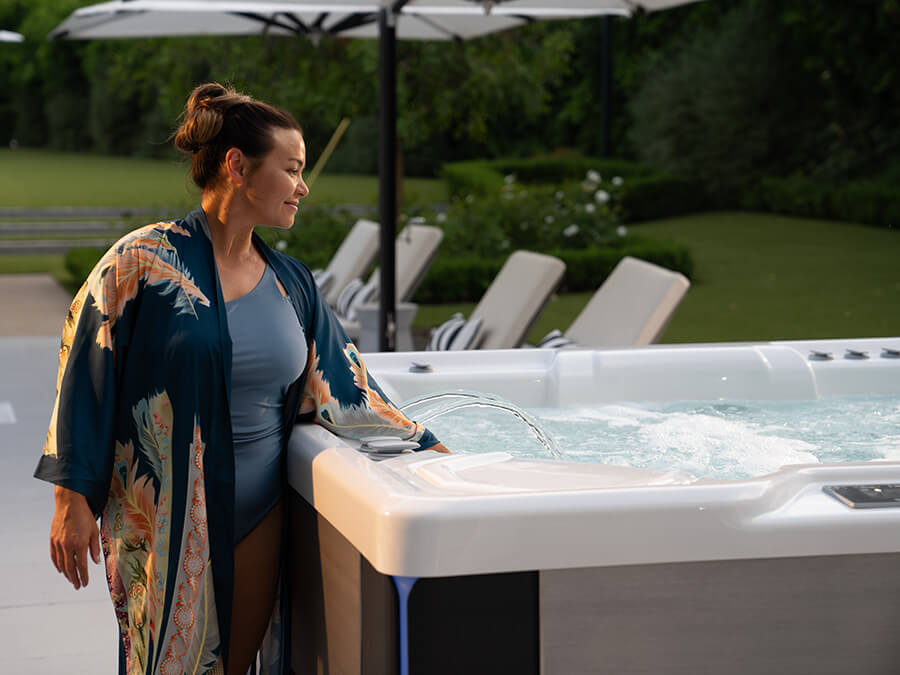
Buying your first hot tub can feel both exciting and intimidating. You want the relaxation, wellness benefits, and end-of-day reset, but you might also be wondering about cost, maintenance, and whether you're making the right long-term decision.
This hot tub beginner's guide is designed to remove that uncertainty. You'll learn how to decide if a hot tub fits your lifestyle, how to choose the right one for your needs, what installation really involves, and how maintenance fits into everyday life.
If you're a first-time buyer who wants clarity before committing, you're in the right place.
Is a Hot Tub Right for You? What Beginners Should Know First
Hot tubs tend to be a great fit for those who value comfort, relaxation, and routine wellness. Many first-time buyers are drawn to the idea of unwinding after a long day, easing sore muscles, or creating a quiet space to disconnect from screens and schedules.
That said, it's normal to have questions upfront. Beginners often worry about how much time maintenance takes, whether energy costs will spike, or if owning a hot tub will become another chore instead of a joy.
The reality is that modern hot tubs are far easier to own than many people expect. With efficient insulation, automated water care systems, and local dealer support, most owners find that a hot tub becomes part of their routine rather than something they have to manage constantly. When expectations are realistic from the start, ownership feels simple and rewarding.
How to Choose the Right Hot Tub as a First-Time Buyer
Choosing a hot tub isn't always about finding the biggest model or the one with the longest feature list. For first-time buyers, the best choice usually comes down to fit, such as how the hot tub aligns with your space, your habits, and how you plan to use it.
Size and Seating
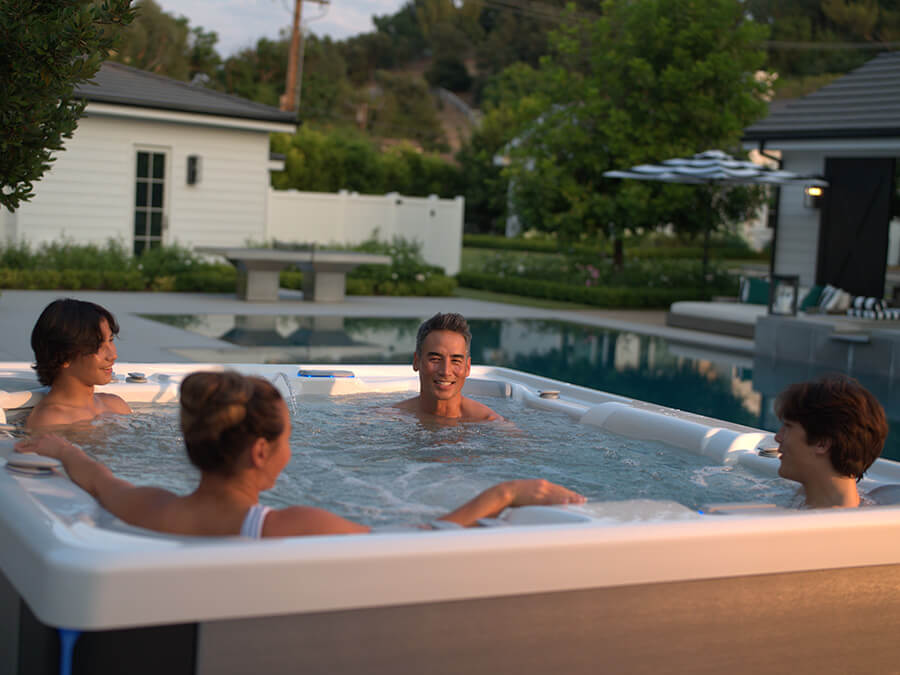
One of the first decisions beginners face is hot tub sizes and layouts. Instead of focusing on how many seats a hot tub has, it helps to think about how many people will realistically use it at once.
Many households find that a 4–5-person hot tub is ideal for everyday use, even if only one or two people soak on most nights. This size offers flexibility without feeling oversized or harder to maintain. Smaller tubs, such as 2–3 person models, can be a great fit for couples or solo use, especially in tighter spaces.
Seating style matters, too. Open seating allows users to move freely and switch seats, while lounge seating provides a more reclined, full-body experience. What you choose depends on comfort and preference.
Comfort, Jets, and the Spa Experience
First-time owners find that thoughtful jet placement matters far more than jet count when it comes to comfort and long-term enjoyment. Well-positioned jets that target key muscle groups often provide a better experience than dozens of jets placed without intention.
This is where wet testing becomes important. Sitting in a full hot tub lets you feel how the seats fit your body, how the jets perform, and whether the experience feels relaxing or awkward. Many beginners skip this step, but it can make a noticeable difference in long-term satisfaction. A local hot tub dealer is a great place to take a test soak before buying.
Energy Efficiency and Long-Term Costs
First-time buyers often focus on the upfront purchase price and overlook operating costs. Energy efficiency plays a big role in how a hot tub fits into your monthly budget.
Features like full-foam insulation, high-quality covers, and efficient heating systems help retain heat and reduce energy use. While exact costs vary based on climate and usage, an energy-efficient hot tub is designed to deliver consistent comfort without constant heating cycles.
Thinking about long-term ownership helps ensure the hot tub remains enjoyable year after year.
Hot Tub Installation Basics
For most first-time hot tub buyers, hot tub installation is simpler than expected when planned in advance.
Where to Install a Hot Tub
Hot tubs are commonly installed on patios, decks, or concrete pads. The key requirement is a stable, level surface that can support the weight of the tub when it's filled with water and people.
Spacing also matters. Leaving room around the hot tub allows for easy access, ventilation, and maintenance. These considerations don't require deep knowledge of construction, but they're worth addressing early to avoid surprises.
Electrical and Delivery Considerations
Some hot tubs are designed as plug-and-play models that connect to a standard outlet, while others require hard-wiring. The right electrical option depends on the model, desired performance, and local electrical requirements.
Professional delivery and set-up support significantly simplify this process. Experienced teams handle placement, connections, and initial setup so you can focus on enjoying your hot tub instead of troubleshooting it.
Hot Tub Maintenance for Beginners
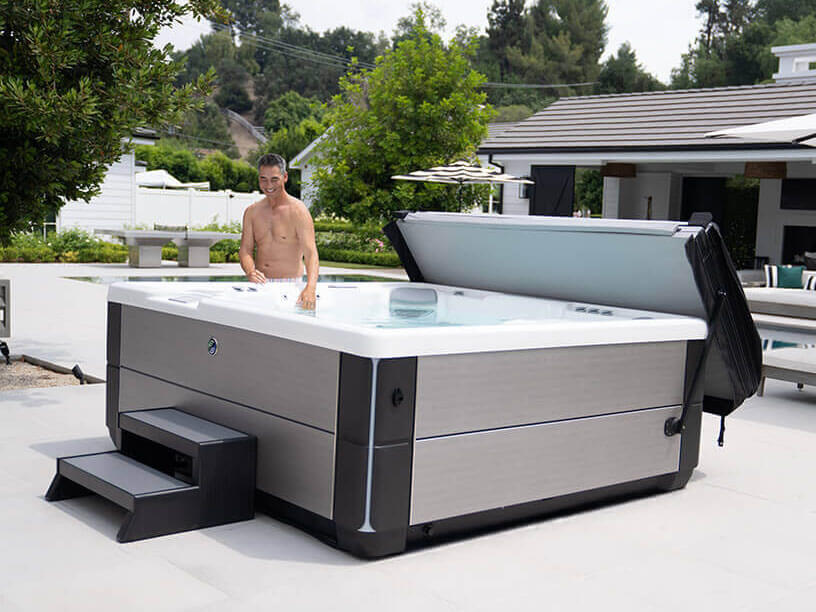
Maintenance is often the biggest concern for first-time owners, but it's rarely as demanding as people imagine. With the right systems and habits, upkeep becomes a light, consistent routine.
Water Care Basics
The goal of water care is simple: keep the water clean, balanced, and safe. This involves regular testing, proper sanitization, and effective filtration. Many beginners benefit from learning how and when to drain and refill their hot tub, especially when starting fresh or transitioning seasons.
Water temperature also plays a role in comfort and maintenance. Understanding ideal hot tub temperature ranges helps balance relaxation, energy use, and water quality.
Modern water care systems, such as salt-based solutions, further reduce hands-on effort by maintaining consistent sanitation with minimal adjustment.
Ongoing Maintenance and Upkeep
Weekly and monthly tasks typically include checking water balance, cleaning filters, and monitoring water clarity. These steps take only a few minutes and quickly become routine.
Today's hot tubs are designed to minimize maintenance time, allowing owners to focus more on soaking and less on upkeep.
Considerations Before Buying a Hot Tub
First-time buyers sometimes run into avoidable issues, such as underestimating space requirements or choosing features they rarely use. Taking time to think through placement, seating preferences, and long-term service needs helps prevent regret later.
One of the most important considerations is dealer support. A knowledgeable dealer helps with delivery, installation, water care education, and ongoing service. This relationship often becomes the most valuable part of ownership, especially for beginners.
Working with a trusted dealer means you're not navigating ownership alone, as you have guidance long after the initial purchase.
Final Thoughts: Buying Your First Hot Tub with Confidence
The right hot tub should make life easier, not more complicated. When you choose a model that fits your lifestyle, plan installation thoughtfully, and understand basic maintenance, ownership feels natural and rewarding.
Taking your time, asking questions, and focusing on long-term enjoyment helps ensure your first hot tub experience is a positive one. With the right preparation and support from experts like Hot Spring, your hot tub can become a reliable source of comfort, relaxation, and everyday wellness.