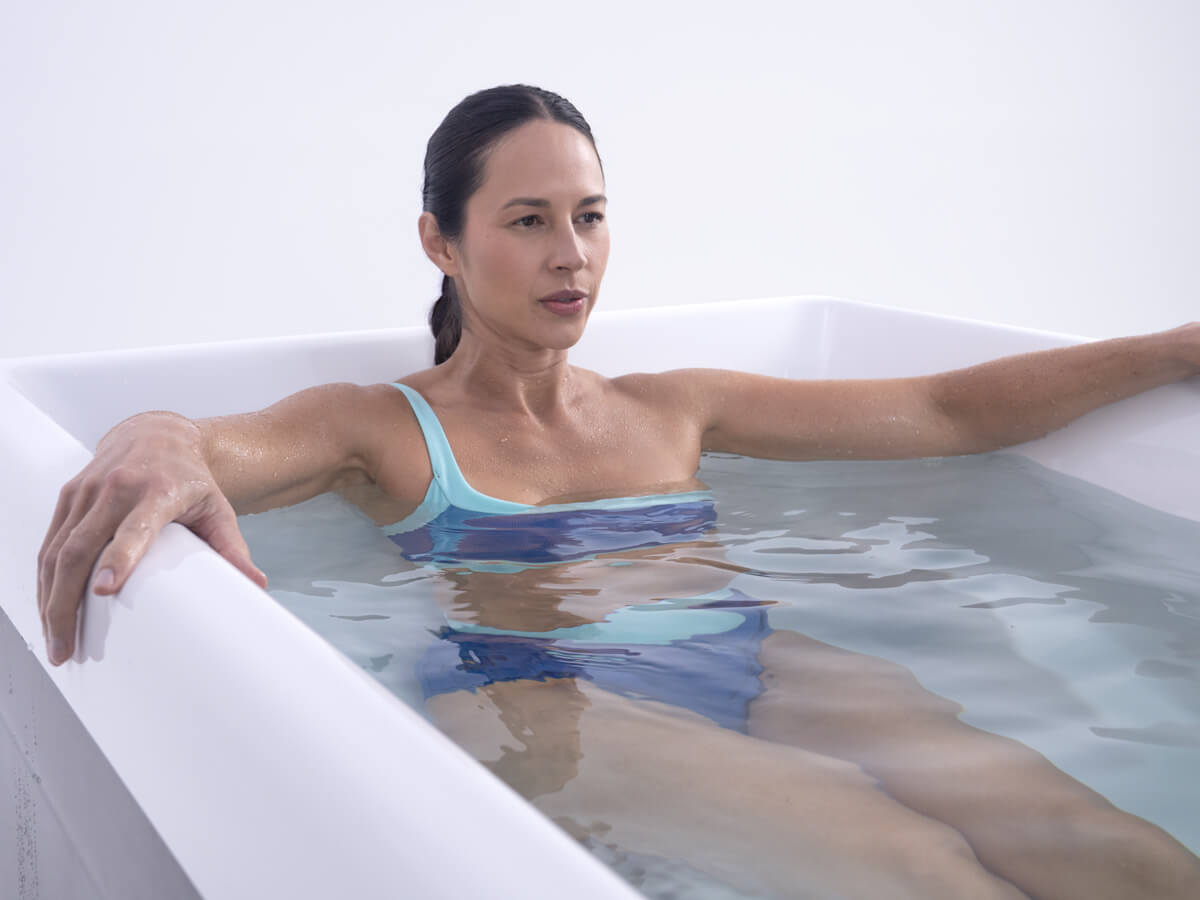
Cold plunging has moved from a niche recovery tool to a mainstream wellness habit. If you're looking to bring more vitality to your day, recover and reset after a workout, or build mental and physical resilience, cold plunging may be the perfect addition to your wellness routine. Before you begin, it's important to know the right approach.
How long should you cold plunge? How often should you cold plunge to see benefits without overdoing it?
Here's the simple answer:
- Most sessions last 1-5 minutes
- Most people cold plunge 2-4 times per week
The right routine depends on water temperature, experience level, and your personal goals. Below, you'll find more detailed temperature and timing guidelines, frequency recommendations, and a simple routine you can follow.
How Long Should You Cold Plunge?
Your ideal plunge time depends on both your experience level and the water temperature. If you're just getting started, begin with a short session and give your body time to adjust.
Temperature plays an important role, too. Generally, the colder the water, the shorter your session should be. Use these ranges as a practical guide:
- 50-60°F (10-15°C): Most beginners start here for 1-2 minutes and gradually work up to about 5 minutes.
- 45-50°F (7-10°C): Once you feel comfortable dropping the water temperature, keep sessions on the shorter side (2-10 minutes) as the colder temperature increases the intensity of the experience.
- Below 45°F (7°C): While colder isn't necessarily better, some elite athletes and experienced cold plungers set their water as cold as 40°F (4°C). Recreational cold plungers should use caution below 45°F. For the average wellness seeker, there's no need to push into extreme temperatures to see the benefits of a regular cold plunge routine.
Cold exposure works through controlled stress. You should feel challenged but steady.
Signs It's Time to Exit
Cold plunging should feel intense, not unsafe. End your session if you experience:
- Uncontrolled shivering
- Dizziness
- Spreading numbness
- Confusion or disorientation
Mild discomfort is normal, but escalating distress is not. If you're new to cold plunging, we recommend having a friend or family member around to offer help if needed.
What About Contrast Therapy?
You can also pair cold plunging with heat exposure as part of a contrast therapy routine. Pairing hot and cold temperatures can heighten both experiences and may offer additional wellness benefits. Alternating between hot and cold causes your blood vessels to open and close, which may support circulation and help muscles relax.
When combining hot and cold, timing matters. How long you spend in each phase can affect how your body responds to the next, so start gradually and adjust your routine based on your comfort and experience.
How Often Should You Cold Plunge?
Consistency drives adaptation more than extremes. For most people:
- Start with 1-3 sessions per week
- Build toward 2-4 sessions weekly as your body adjusts
- Daily sessions can work for experienced users, but they are not required
Aim for a schedule you can maintain consistently, increasing frequency gradually as your body adjusts.
Match Frequency to Your Goals
Your routine can shift slightly depending on the benefits you hope to achieve:
- Boosting mood and energy levels: Short, consistent sessions often work well. Many people prefer mornings.
- Enhancing mental acuity and focus: A brief plunge can create a clean transition into work or training.
- Building resilience: Controlled exposure over time can help build tolerance to discomfort.
- Soothing sore muscles or aiding muscle recovery: Incorporate sessions after a physically demanding activity.
You don't need daily exposure to see results. A steady weekly practice is often enough. Adding a dedicated cold plunge at home makes it easy and convenient to stick to your routine.
Sample Cold Plunge Routine
When you're new to cold plunging, start with a routine that gives your body time to adjust. Begin at a moderate temperature with short sessions, then gradually increase the challenge as you become more comfortable.
Here's a simple starting plan:
Weeks 1-2
- Set the water to a manageable cold temperature, around 50-60°F (10-15°C)
- Enter slowly and focus on steady breathing
- Stay in for 1 minute
- Exit while still feeling in control
- Schedule 2 sessions per week
Weeks 3-4
- Increase to 90 seconds or 2 minutes if previous sessions felt stable
- Maintain 2-3 sessions per week
- Keep breathing steadily throughout
After One Month
- Add 30-60 seconds gradually if comfortable
- Increase frequency only if recovery feels strong
- Lower the temperature only after you're comfortable at your current setting
There's no need to push too quickly toward longer sessions or colder temperatures. Build your routine gradually, at a pace you can maintain.
Common Cold Plunge Mistakes
Cold exposure is simple in concept, but small missteps can limit progress. To have an enjoyable and sustainable experience, avoid:
- Staying in too long to test your limits
- Increasing frequency of plunges too quickly
- Lowering the temperature before building tolerance
- Ignoring hydration and warming afterward
- Treating cold plunging as a shortcut instead of part of your overall wellness practice
The Bottom Line on Cold Plunge Timing
So, how long and how often should you cold plunge? Many people find that 1-5 minutes and 2-4 sessions per week support steady adaptation without overload.
Cold plunging works best when it's controlled, consistent, and aligned with your goals. You don't need the coldest water or the longest sessions. You need a routine you can return to week after week.
That's where progress happens.
*This article is for general informational purposes only and is not medical advice. Cold water immersion may not be suitable for everyone. Consult your healthcare provider before starting a cold plunge routine, especially if you have any medical conditions or concerns.